Why this isn't a normal ticket
The mirror is seasonal
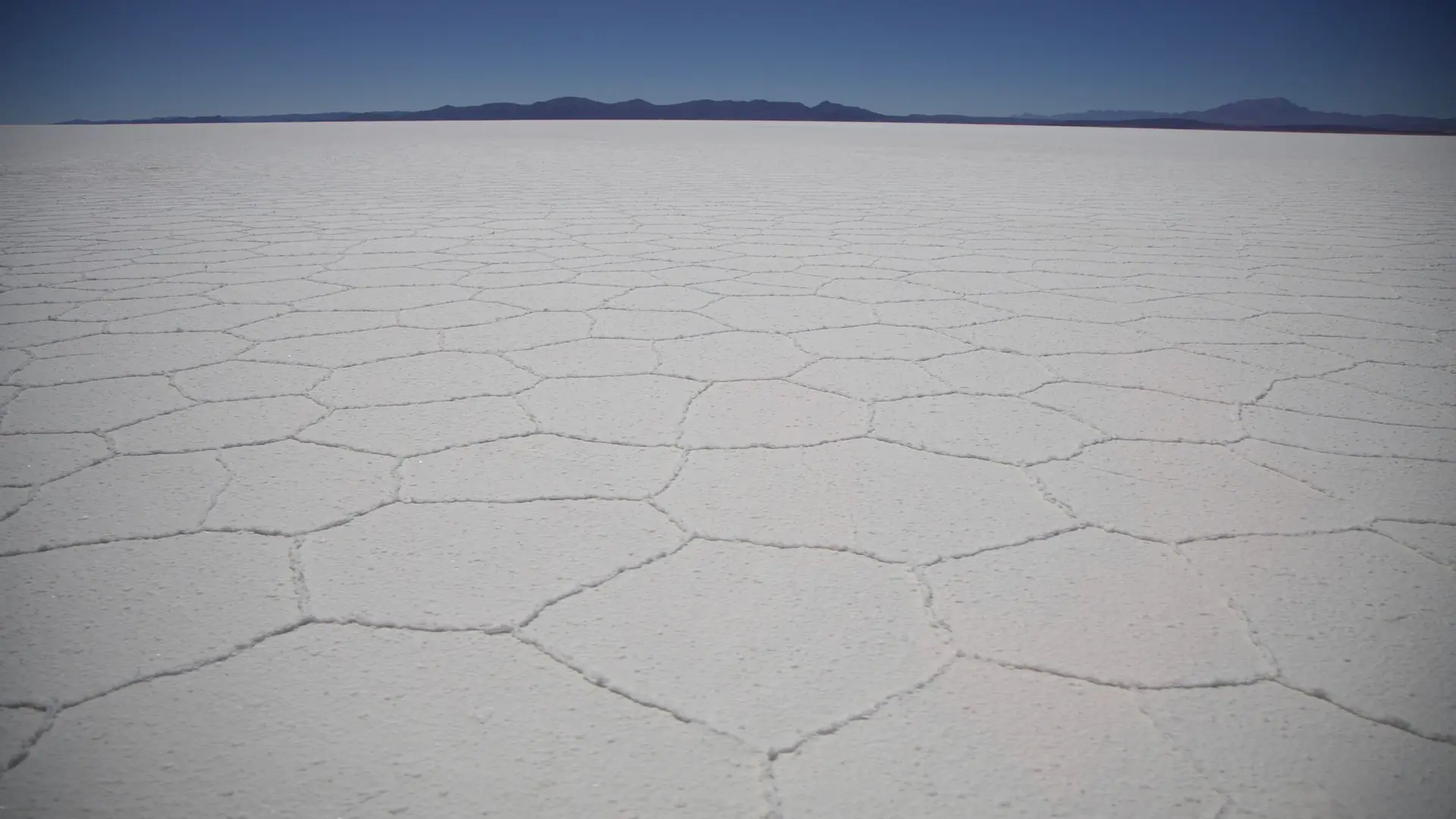
The reflection that makes Uyuni world-famous — the flat turning into a mirror of the sky — only happens in the wet season, roughly December to April, when a shallow film of water sits on the salt. Come in the dry season and you get something different but equally striking: a vast, blindingly white plain cracked into salt hexagons. Neither is 'better', but they're not interchangeable, and the timing is the first thing to get right.
You cross it on a guided 4x4 tour
There's no wandering onto the Salar alone. Visiting means a guided tour in a 4x4, driven by an operator who knows the flat — where it's safe, where the water sits, where the classic photo spots and islands are. Tours range from a half-day taster to the celebrated three-day expedition through the surrounding lagoons, geysers and deserts. The guide and vehicle are the whole way in.
It's high, and it's remote
The Salar sits at over 3,600 m on the Bolivian altiplano, reached via the isolated town of Uyuni — itself a journey by flight, bus or train from La Paz or across the border. The altitude is real, days are intensely bright and nights bitterly cold, and services are basic. It's part of what makes the place feel so otherworldly, but it means the trip needs a bit of preparation.
The main ways to see the Salar de Uyuni
The salt flat is only ever visited on a guided 4x4 tour — but the tours vary a lot, from a half-day to a three-day expedition. Here's how the main options compare.
| Tour | What it is | Best for |
|---|---|---|
| Full-day tour | The salt flat, an island, salt-processing and photo stops | A first, complete taste in one day |
| Sunset & stars | The flat at golden hour and after dark under huge skies | The light and the night sky |
| 3-day expedition | The Salar plus lagoons, geysers and deserts to the Chile border | The full, classic altiplano journey |
| Wet-season mirror | A tour timed to the flooded, reflective flat | The famous sky-mirror photos |
Seasons, tours & trip-planning guides
The decision that shapes the trip
Wet season vs dry season at Salar de Uyuni
The mirror or the hexagons — the single biggest choice you'll make.
Read the guide →Compare the tours
The main ways to see the Salar de Uyuni
Half-day, sunset, or the full three-day expedition — how the options compare.
Read the guide →Logistics
How Uyuni tours work, and getting there
Guided 4x4s from a remote high town — the practical mechanics of a visit.
Read the guide →When to go
The best time to visit Salar de Uyuni
Mirror, hexagons or a bit of both — timing the flat through the year.
Read the guide →The classic adventure
The 3-day Uyuni lagoons expedition
Salt flat, flamingo lagoons, geysers and deserts — the full altiplano journey.
Read the guide →Preparing for the altiplano
Altitude and what to pack for Uyuni
Thin air, fierce sun and freezing nights — arrive ready for all three.
Read the guide →Questions people actually ask
When can you see the mirror at Salar de Uyuni?
The mirror effect forms in the wet season, roughly December to April, when rain leaves a thin sheet of water on the salt that reflects the sky. It's weather-dependent rather than guaranteed on any given day, and the wettest months in the heart of the season give the best odds. Outside those months the flat is dry and you see the white salt hexagons instead.
Can you visit the Salar de Uyuni on your own?
In practice, no — you visit on a guided 4x4 tour with a local operator. The flat is vast, featureless and, when flooded, genuinely disorienting and hazardous to navigate, so self-driving onto it isn't sensible or generally done. Tours run from the town of Uyuni and range from half-day trips to multi-day expeditions, all with a driver-guide who knows the terrain.
What's the difference between wet season and dry season?
Wet season (about December to April) can flood the flat into the famous mirror, but rain and cloud are more likely and some areas can become inaccessible. Dry season (about May to November) gives you the classic hard white plain of salt hexagons, clearer skies, and reliable access to islands and the full three-day expedition routes. Your choice depends on whether the mirror or the expedition matters more.
How do you get to Uyuni?
Most travellers reach the town of Uyuni by a short flight from La Paz, by overnight bus, or by the scenic train. From Uyuni, tours head straight out onto the salt flat. The town is remote and high, so many people build in a night to arrive, acclimatise a little and start their tour fresh the next morning rather than rushing straight onto the flat.
What is the 3-day Uyuni tour like?
The classic three-day expedition pairs the salt flat with the wider altiplano: coloured lagoons dotted with flamingos, steaming geyser fields, hot springs, surreal rock formations and high-altitude deserts, often ending near the Chilean border at San Pedro de Atacama. It's a genuine 4x4 adventure with basic accommodation, big distances and extraordinary, constantly changing landscapes.
How high is the Salar de Uyuni?
The salt flat sits at over 3,600 m above sea level, and the three-day expedition routes climb considerably higher into the surrounding altiplano. At that altitude the air is thin, the sun is fierce and nights are very cold, so acclimatising beforehand, protecting yourself from the sun, and packing warm layers all matter more than first-time visitors expect.
- Most tours cancel free Most salt-flat tours from Uyuni on Viator cancel free up to 24 hours before departure. Each listing states its terms before checkout
- Secure checkout Your booking and card details go through Viator's own checkout, never through this site
- No markup from us You're charged Viator's listed tour price; our earnings come from their commission, never an added fee
- Independent guide We research the options and link to current listings; we don't sell the tickets